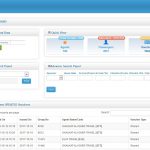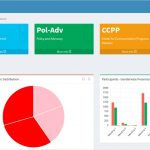

Let’s provide you with hospital management system introduction. In today’s digital age, hospitals are facing mounting pressure to streamline their operations, improve patient outcomes, and reduce costs. Hospital management systems (HMS) offer a solution by providing a comprehensive, integrated platform to manage all aspects of hospital operations. This blog post introduces HMS and highlights their benefits in improving healthcare delivery.
Hospital Management System Introduction
A hospital management system is a software application that manages all aspects of hospital operations, including patient information, medical records, appointments, billing, inventory, and more. It offers a comprehensive, integrated platform that connects various departments and functions within a hospital, streamlining workflows and facilitating efficient communication.
Benefits of Hospital Management Systems
There are numerous benefits to implementing an HMS in a hospital. Some of the key benefits include:
- Improved Patient Outcomes: HMS provides accurate and up-to-date patient information, enabling healthcare providers to make informed decisions and deliver better care. By centralizing patient records, HMS reduces the risk of errors and duplication, ensuring that patients receive the right treatment at the right time.
- Enhanced Operational Efficiency: With an HMS, hospitals can automate many of their administrative and clinical processes, reducing paperwork and manual data entry. This leads to improved efficiency, productivity, and cost savings.
- Increased Revenue: By optimizing billing and claims management, HMS helps hospitals reduce revenue leakages and improve cash flow. It also facilitates timely payments and reduces the risk of denied claims, leading to increased revenue.
- Improved Resource Utilization: HMS helps hospitals track and manage their resources, including staff, equipment, and supplies. This leads to better resource allocation and utilization, reducing waste and inefficiencies.
- Better Compliance: With an HMS, hospitals can ensure compliance with regulatory requirements, such as HIPAA, and other healthcare standards. This helps hospitals avoid penalties and legal issues, ensuring that patient data remains secure and confidential.
Concluding our post for Hospital Management System Introduction
In conclusion, hospital management systems are a critical tool for hospitals looking to streamline their operations, improve patient outcomes, and reduce costs. By providing a comprehensive, integrated platform to manage all aspects of hospital operations, HMS facilitates better communication, improves efficiency, and enables informed decision-making. As the healthcare industry continues to evolve, hospitals must leverage innovative solutions like HMS to stay competitive and meet the changing needs of patients and stakeholders.